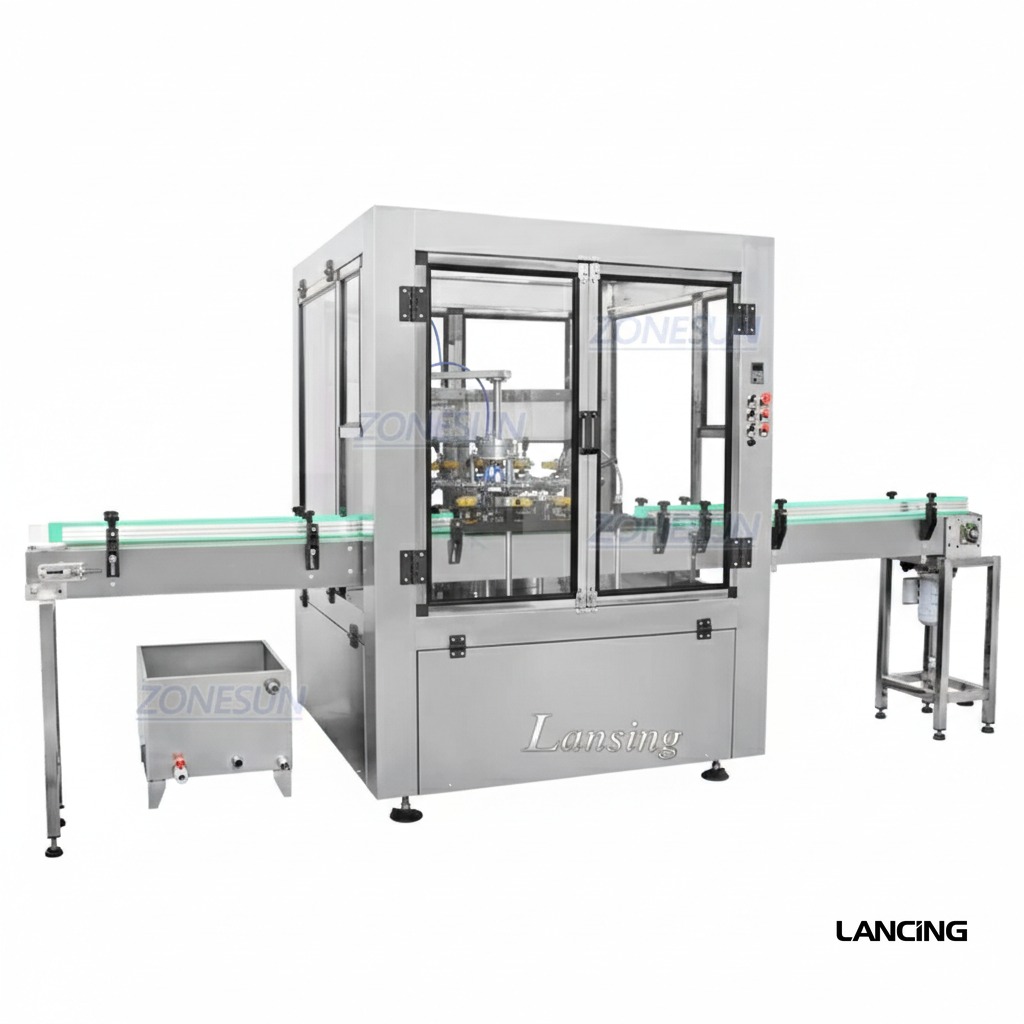
Automatic washing
LU-WB12 automatic bottle washer with 12 nozzles
Inline bottle washer for cleaning inner and outer bottle surfaces with conveyor integration for production lines.
View machineBottle Washers UK helps manufacturers, bottlers and contract packers shortlist bottle washers, bottle rinsers, washing-and-drying machines and label-removal systems around real bottles, output targets and line layouts.
Use the contact form or call Lancing to discuss bottle samples, output and line integration.
Use the range below as a starting point. Final suitability depends on bottle shape, contamination level, throughput, utilities, footprint and the wider filling, capping or labelling line.
Inline bottle washer for cleaning inner and outer bottle surfaces with conveyor integration for production lines.
View machine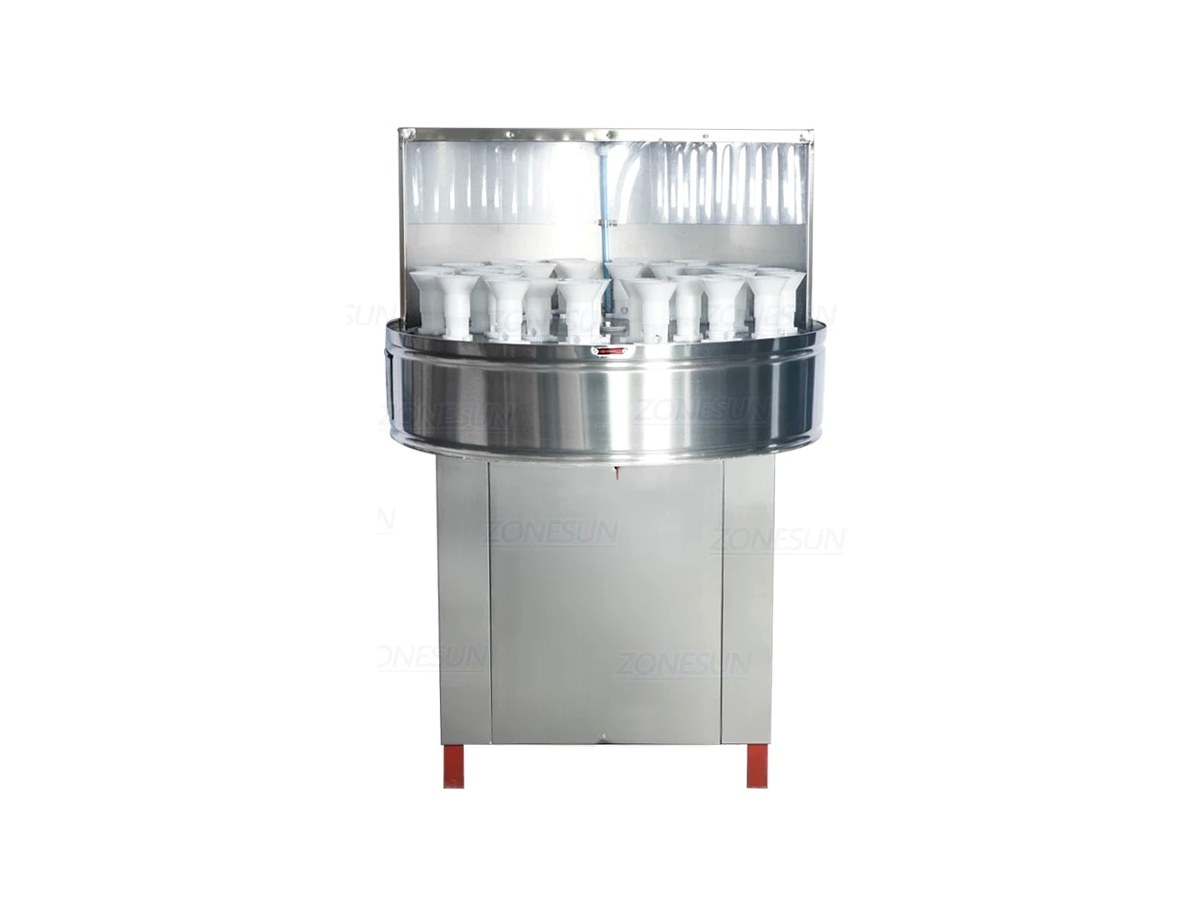
Compact rotary washing route for beverage and glass-bottle projects where flexibility and footprint matter.
View machine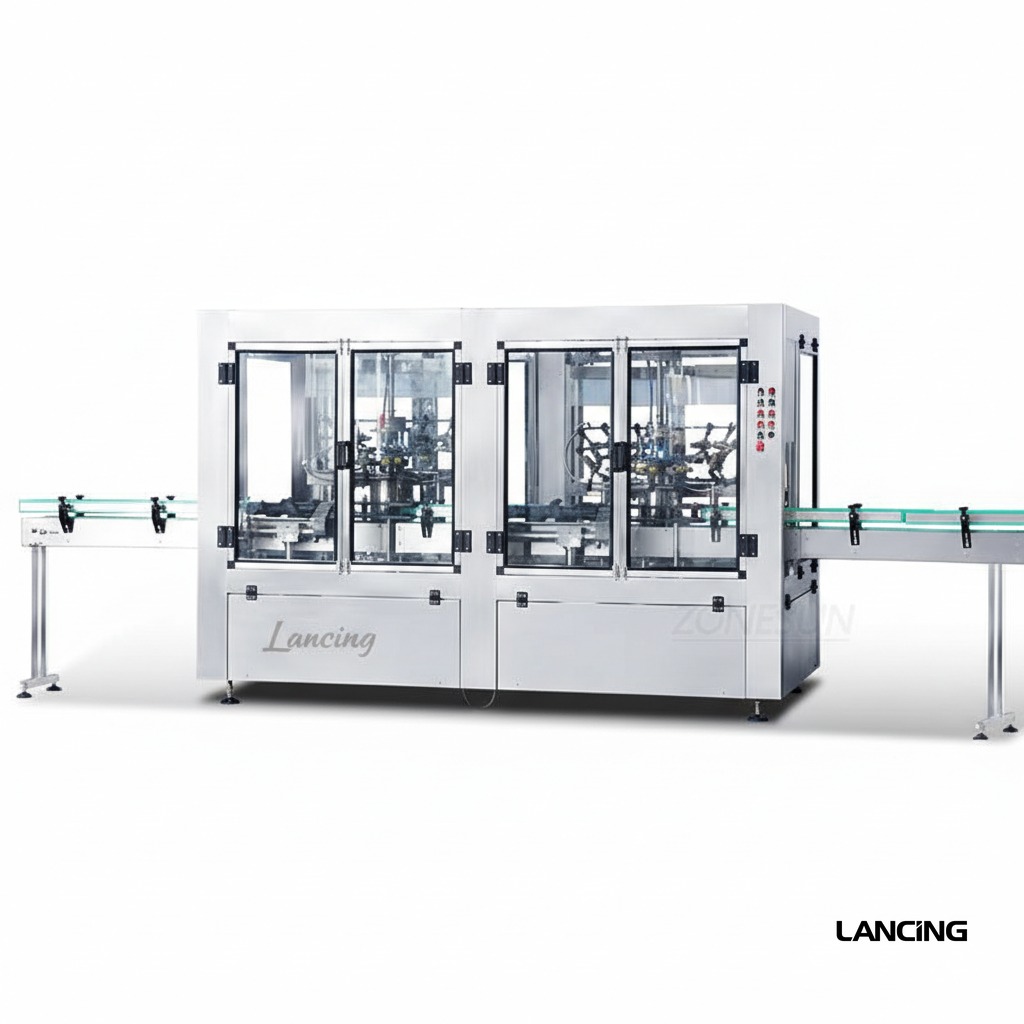
High-pressure water washing followed by clean-air drying for round-neck, flat and square bottle formats.
View machine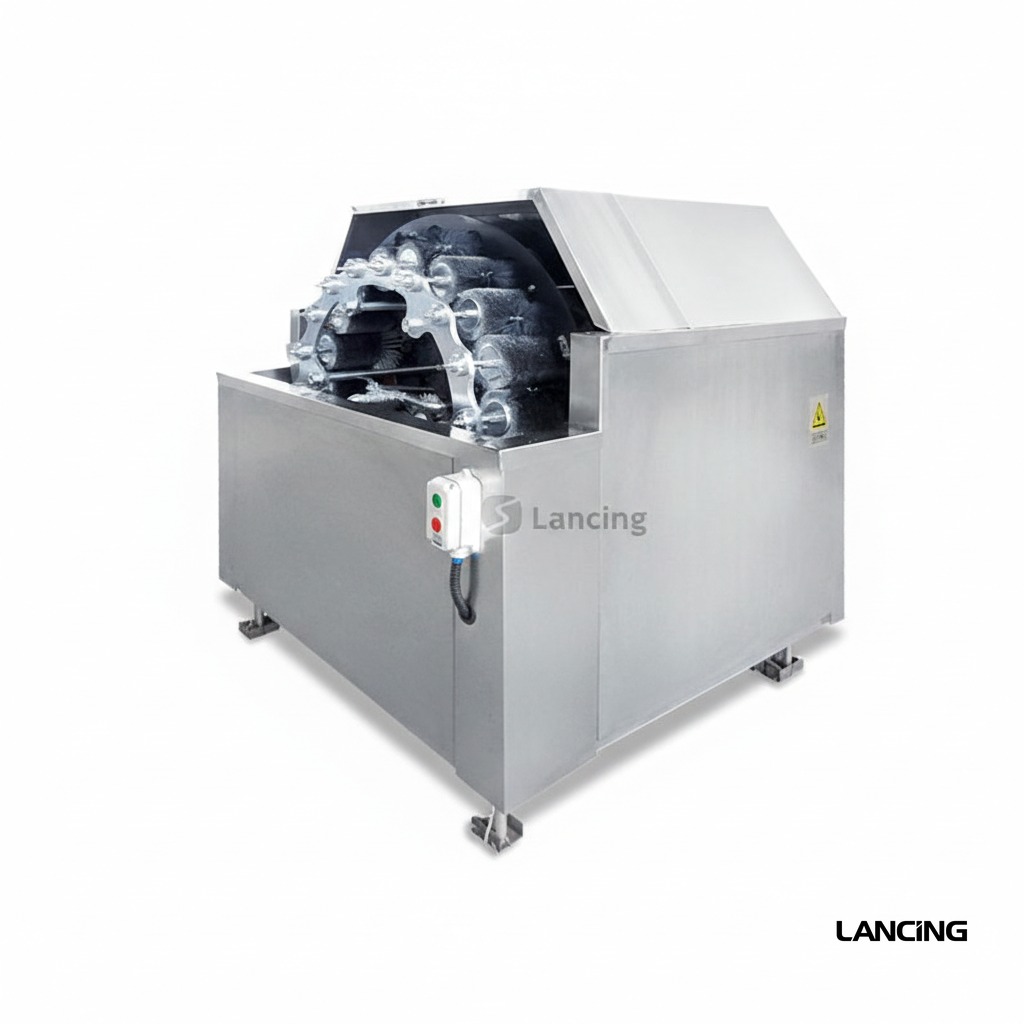
Label-removal support for bottle recovery and returnable-bottle preparation before washing or rework.
View machineIndustrial bottle washing projects usually fail when the cleaning stage is chosen before the bottle, residue, line speed and downstream process have been reviewed together.
Glass, PET, round, flat, square, returnable and lightweight bottles all behave differently through guides, nozzles and transfers.
Choose between air rinsing, water rinsing, washing, label removal, internal cleaning, external cleaning and drying requirements.
Check conveyors, infeed, outfeed, filling, capping, labelling, accumulation, utilities, cleaning access and changeover needs early.
A stronger enquiry helps avoid generic recommendations and makes it easier to compare manual, semi-automatic, automatic and integrated bottle-washing routes.
Send project detailsCompare bottle-washing options by sector and container type to identify the cleaning and handling requirements for your production line.
For beverage, drinks, sauces and returnable-bottle projects where internal cleaning, external finish and bottle stability matter.
Read about glass bottle washingFor lightweight plastic bottles where guides, nozzle alignment, bottle handling and downstream filling are key.
Read about PET bottle rinsingFor rework, label removal and wash-before-reuse workflows that need realistic throughput and handling planning.
Compare applicationsStart with the bottle material, soil or residue level, required cleaning stage, output target and whether the machine must sit before filling, after de-labelling or within a returnable-bottle process.
Often yes, but the practical range depends on bottle height, diameter, neck opening, stability, guides, change parts, nozzle layout and how often you change format.
Rinsing is usually used for clean new bottles before filling. Washing is used where bottles need a more active clean. Washing and drying is useful where residual water inside the bottle would affect the next process.
Send bottle photos or drawings, bottle material, height, diameter, neck opening, contamination level, target bottles per hour, utilities, line layout and whether you need manual, semi-automatic or automatic handling.
Send bottle photos, dimensions, contamination details and target output. We’ll help narrow the machine route before quotation.
Request a quoteFor reusable or visibly contaminated containers, define the residue, label material and moisture condition that the process must address. The washing route should be assessed using the bottles you intend to run.
Define what a pass looks like before a machine is chosen. Typical checks include visible residue, odour, remaining label adhesive, internal water droplets, outside finish, bottle damage and whether the washed container is suitable for the next filling stage.
Where detergents, caustic wash, heated water or specialist wash chemistry are being considered, the final process should be confirmed from the bottle material, product residue, label adhesive and site controls. This site does not publish unsupported chemical concentrations or temperatures.
Water supply, filtration, pressure, drainage capacity, air supply and drying method can affect both cleaning performance and line reliability. Ask for consumption figures only against a defined machine configuration and output.
| Project route | Typical reason to shortlist it | Related page |
|---|---|---|
| Reusable glass bottles | Returned bottles, label residue, possible internal/external washing and proof of cleaning | Returnable bottle process guide |
| Clean new bottles before filling | Dust or loose particles where full washing may be unnecessary | Rinsing vs washing |
| Integrated wash-and-dry line | Applications where residual water could affect filling, labelling, coding or product quality | Bottle washing and drying machine |
Check the bottle material, neck opening, base stability, residue type, label condition, required rinse or wash stage, downstream filling process, water supply, drainage route and available operator access before comparing machine formats.
Washing is more suitable when returned or contaminated bottles need active water contact, possible detergent or caustic process review, label-removal preparation or a controlled dry-off stage. Simple rinsing is usually more appropriate for clean new containers before filling.
Useful evidence includes before-and-after bottle photos, residue observations, water quality notes, bottle handling stability, any remaining label adhesive, drying result, drainage behaviour and the output achieved under the agreed test conditions.
Only verified figures should be quoted. Water, energy and drainage requirements depend on the final machine specification, wash stages, bottle format, output and site services, so unknown figures should be confirmed during specification or testing rather than guessed.
This second layer of guidance helps separate intensive bottle washing and reuse work from simple pre-fill rinsing. It focuses on the evidence Lancing needs before confirming whether a washer, rinser, wash-and-dry machine or label-removal route is the correct process.
Record what is on the bottle before choosing the machine: product residue, dust, odour, label adhesive, visible marks, moisture and any risk to filling, labelling or coding after the wash. A useful brief defines the pass/fail condition instead of relying on a generic machine name.
Water supply, drainage capacity, filtering, air supply, heat and energy use depend on the final configuration, not just the bottle diameter. Where water reuse or lifecycle cost matters, gather the real operating assumptions before comparing machinery.
If bottles are new and only need loose particulate removal, a dedicated bottle rinser may be more suitable than a heavier wash/reuse route. Keep this site focused on washing, drying, label removal and reuse, then compare rinsers separately where the intent is simpler.
| Decision point | What to capture | Why it affects the quote |
|---|---|---|
| Container condition | New, returned, dusty, wet, labelled, oily or visibly contaminated | Defines whether rinsing, washing, drying or label removal is realistic |
| Residue and label behaviour | Photos, sample bottles, adhesive type where known and any remaining odour | Controls whether sample testing or wash-chemistry review is needed |
| Site services | Water, drainage, air, power, footprint and access for cleaning | Prevents a technically suitable washer being proposed for an unsuitable location |
Send sample bottle photos, dimensions, residue details, label condition, target output, available utilities and the required pass/fail result after washing. That allows the machine route to be judged against the actual process.
No. They should be built from the selected washer configuration, wash stages, output, water quality, drainage route and site operating pattern. Unsupported generic consumption figures should not be used for purchasing decisions.
If the bottles are clean, new and only need loose dust or particulate removal before filling, compare bottle rinsers as an alternative. Returned, labelled or contaminated bottles normally need a more detailed wash/reuse review.
Machine choice is only one part of a successful project. Bottle condition, wash sequence, utilities, acceptance testing, inspection and line controls should be defined together so that the proposed system can be tested against a measurable end state.
Map returned or contaminated bottles from receipt and sorting through label removal, washing, rinsing, drying, inspection and transfer to filling.
Use the bottle washing process-design guideAgree representative samples, test conditions, observations and acceptance criteria before factory acceptance testing or site acceptance.
Prepare a bottle washer FAT protocolConfirm conveyor levels, bottle stability, accumulation, machine interlocks, utilities, drainage and downstream filler requirements.
Plan mechanical and controls integration| Project question | Evidence to prepare | Relevant guide |
|---|---|---|
| What must be removed? | Bottle history, residue type, labels, adhesive, odour and representative dirty samples | Process design |
| How will clean be judged? | Visual, residue, moisture and downstream-readiness acceptance criteria | Post-wash inspection |
| What services are available? | Water quality, flow and pressure, power, compressed air, drainage and trade-effluent route | Water and effluent |
| What changes the whole-life cost? | Shift pattern, labour, changeovers, water, chemistry, reject rate, maintenance and disposal | Cost factors |
Send representative bottles, residue and label details, bottle dimensions, required end condition, target throughput, utilities and a simple line layout. Lancing can then assess the appropriate washing route and the evidence needed for a meaningful trial.
Request a project-specific reviewThese answers focus on the evidence that changes the process route. They are written to stand alone when quoted, while the linked guides provide the engineering detail behind each decision.
The contamination must be described by location, type, age and severity before a bottle washer can be selected responsibly. Internal product residue, external dirt, label adhesive, odour, loose particles and dried deposits can require different washing stages, mechanical action, water quality, temperature or chemistry.
A useful description identifies the worst credible bottle, not only the average one. Include whether the residue is water-soluble, oily, sugary, protein-based, mineral, unknown or mixed; whether it has dried during storage; and whether the bottle must be ready for filling, inspection, labelling or storage immediately after washing.
Prepare a representative sample trial · Review residue and chemistry evidence
A preliminary bottle-washer shortlist can be prepared from drawings, photographs and process information, but final suitability should not be confirmed without representative dirty bottles when residue, labels or return history materially affect cleaning. Samples reveal handling, nozzle access, adhesive behaviour and the real variation between bottles.
Where physical samples are temporarily unavailable, the specification should record the uncertainty and define the sample trial that must occur before approval. A clean bottle proves dimensions and handling; it does not prove that the proposed wash removes the actual contamination.
See the bottle sample and trial guide · Send project evidence
Returned bottles change machine selection because the incoming population is less controlled than new containers. Bottle damage, unknown previous contents, mixed label ages, adhesive residue, foreign objects and repeated scuffing may require sorting, de-labelling, washing, rinsing, drying and rejection stages rather than one simple rinse.
The proposed route should define which bottles are accepted, quarantined or rejected before the washer and how failures are removed afterwards. Returned-bottle projects also need a clear decision on whether labels are removed before the main wash and how detached label material is captured.
Plan bottle inspection and rejection · Review the returnable-bottle process
“Clean enough for filling” must be translated into observable or measurable acceptance criteria for the actual product and container. The criterion may include absence of visible residue, acceptable odour, no loose label material, controlled internal moisture, no damaging bottle defects and readiness for the agreed downstream filling process.
The site or product owner should define the sampling method, inspection conditions and response to a failure. A washer supplier can help prove the mechanical process, but final product-specific hygiene and release criteria remain part of the customer’s validated operating system.
Define cleaning-validation criteria · Plan post-wash inspection
Send representative bottles, contamination details, label condition, required end state, target output and site utilities so Lancing can assess the appropriate machine and trial route.
Send bottle-washing project detailsThe strongest bottle-washing enquiries describe the container, contamination, required end condition and line context before a model is shortlisted.
Separate new, returned, labelled, damaged and unknown-history bottles before specifying the washer. A bottle washer can only be judged against the population it is expected to recover, so the brief should include the worst acceptable bottle, the most fragile bottle and any bottle that must be rejected before washing.
A clean bottle should be defined as an agreed end condition, not as a generic claim. Typical acceptance evidence may include visible internal cleanliness, external finish, adhesive removal, odour checks, residual moisture condition and suitability for the next operation. The test method depends on the product and site standards.
Different bottle heights, diameters, neck openings and stability points may require different guides, holding parts, nozzles, change parts or trial settings. A shortlist is more useful when the enquiry identifies the format range and the expected frequency of changeover.
Send bottle photos, dimensions, contamination details, target output, utilities and line-layout notes so Lancing can confirm the safest route before quotation.
Send project detailsBroad bottle-washer searches can mix industrial machinery, baby-bottle appliances, glasswashers and simple bottle rinsers. The right route depends on the production duty and the required end condition.
For line-connected, returnable, wash-and-dry, label-removal or rework projects, compare the Bottle Washers UK machine range and send bottles for a process-specific review.
If new bottles only need dust or loose particles removed before filling, the rinsing versus washing guide helps avoid over-specifying the process.
For breweries, dairies and direct-to-consumer producers moving beyond manual cleaning, use the small-producer route guide.
Send bottle condition, output, utilities and the required result. Lancing can help separate domestic-style washing, commercial glasswashing, rinse-only preparation and industrial bottle washing before quotation.
Send the bottle-washing dutyState whether the bottles are new or returned, what contamination or labels must be removed and the condition required before filling. Include bottle dimensions, temperature limits and available utilities. Assess washing, rinsing, drainage and drying as one sequence, with an agreed method for checking the cleaned bottles.
Related guidance: small-producer route guide · Water and effluent
Related guidance:
A new bottle with light storage contamination and a returned bottle with residue or an attached label should not enter a project brief as the same cleaning task. Describe the incoming condition first, then the condition required before refilling, inspection, labelling or packing. That gives the washing, de-labelling and drying stages distinct purposes.
Use sample groups that represent the incoming stream. Keep new, returned and rework containers identifiable, with notes about previous contents and storage where known. Ask the evaluation to record which bottles are suitable for the proposed process and which need another decision. A production plan becomes more realistic when rejected or quarantined bottles are accounted for before they consume machine time.
Review the clean-bottle route alongside the washer. Decide how accepted containers are inspected, transferred, stored or delivered to the filler. The project should explain handling after treatment and the required condition at the next operation, rather than stopping at a photograph of a bottle leaving the wash stage.
The required cleaning task and incoming condition determine the process. Describe residues, labels and reuse history so the equipment can be assessed against the real requirement.
Define acceptance, quarantine and rejection rules first. Unknown or unsuitable bottles need a decision before they join the normal treatment route.