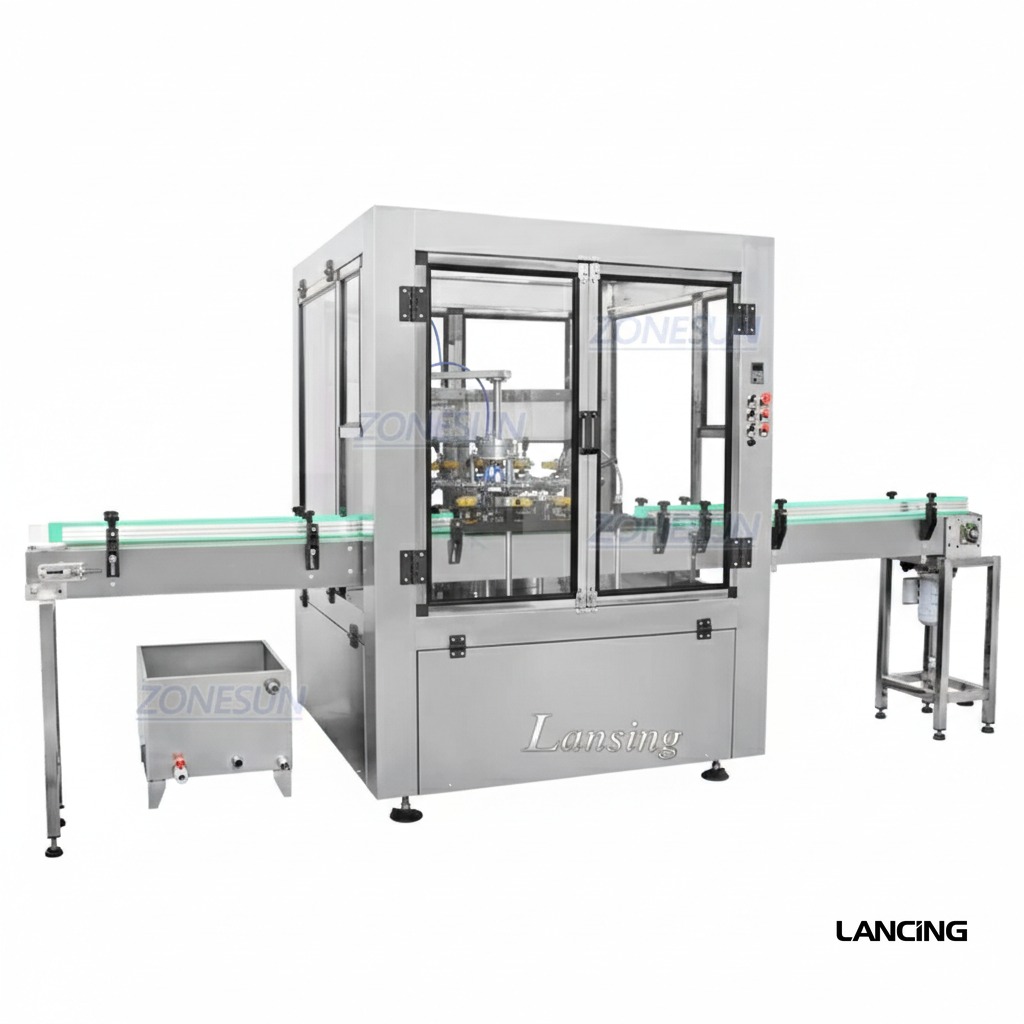
Automatic washing
LU-WB12 automatic bottle washer with 12 nozzles
Inline bottle washer for cleaning inner and outer bottle surfaces with conveyor integration for production lines.
View machineCompare automatic bottle washers, semi-automatic rotary washers, bottle washing and drying machines, and label-removal equipment before requesting a project-specific quotation.
Inline bottle washer for cleaning inner and outer bottle surfaces with conveyor integration for production lines.
View machine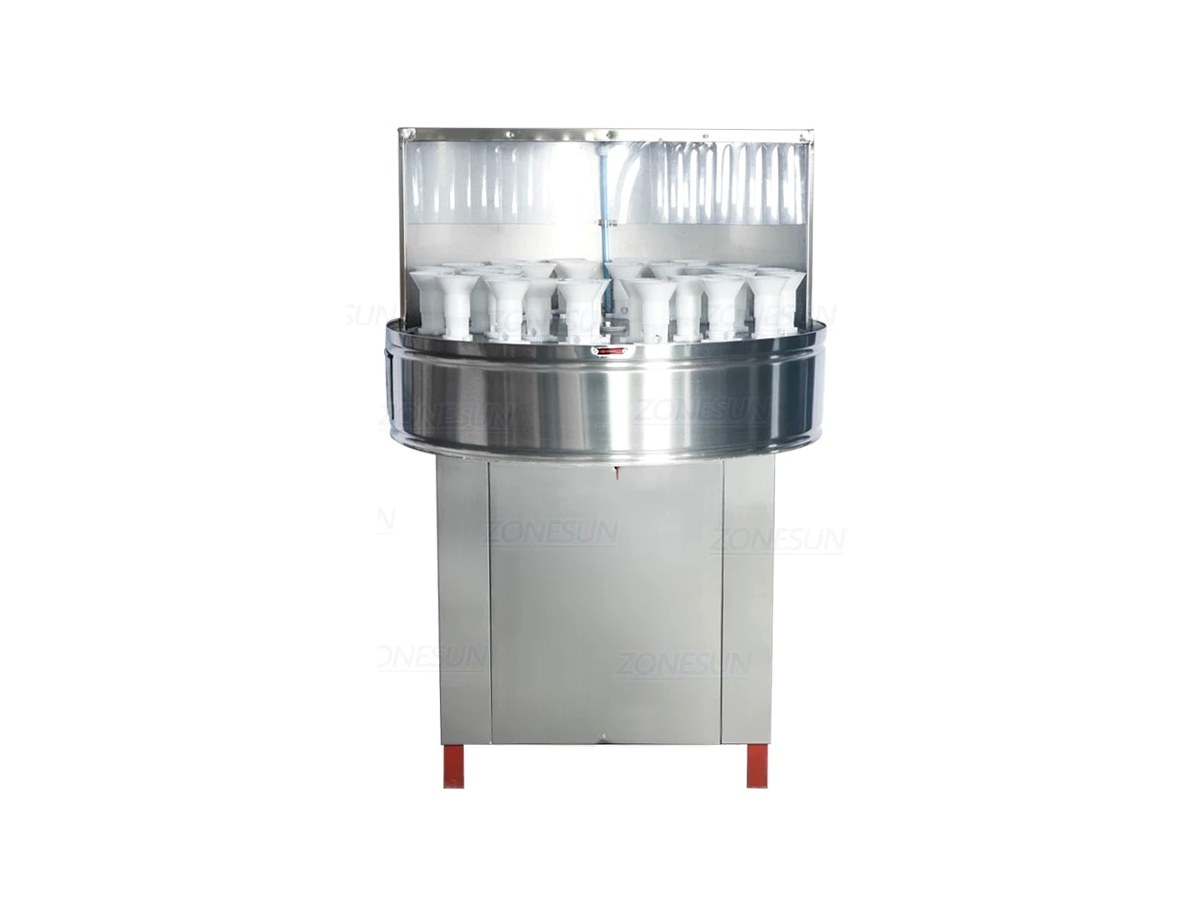
Compact rotary washing route for beverage and glass-bottle projects where flexibility and footprint matter.
View machine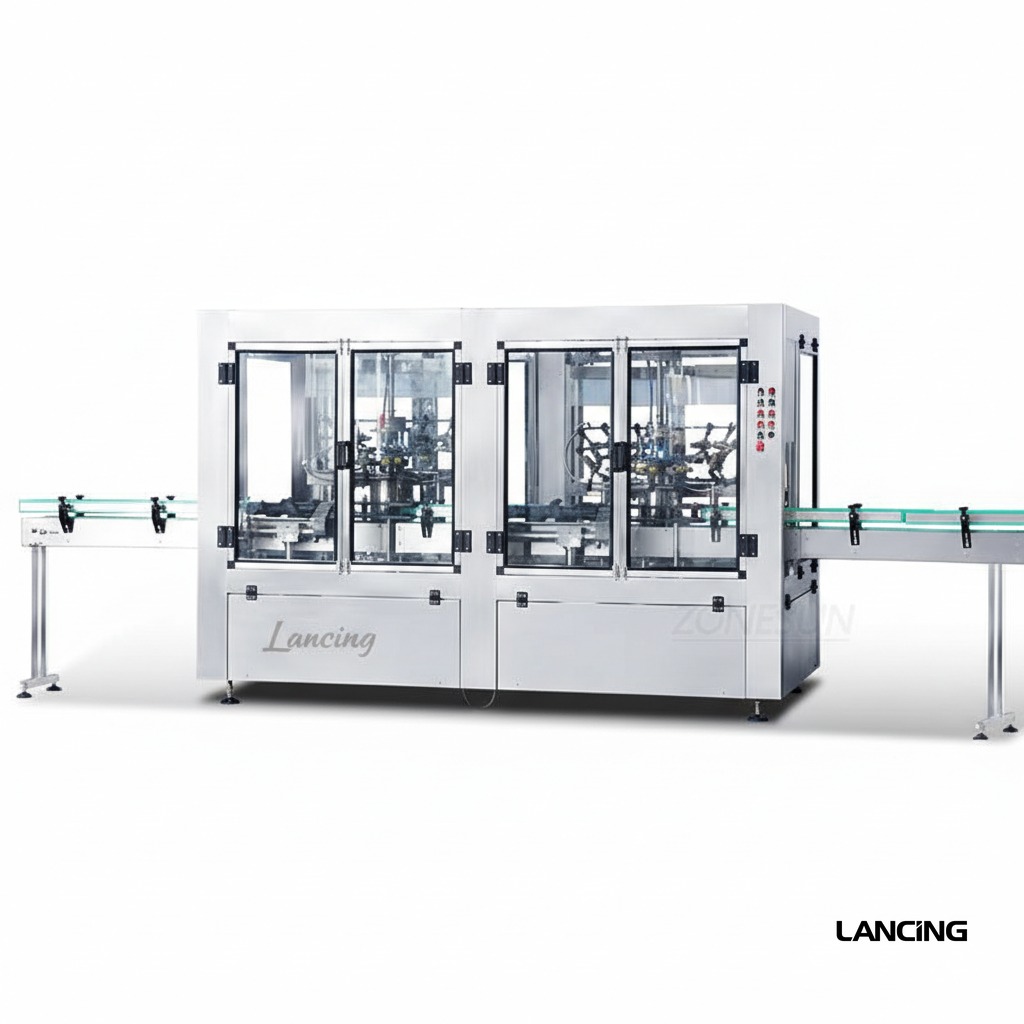
High-pressure water washing followed by clean-air drying for round-neck, flat and square bottle formats.
View machine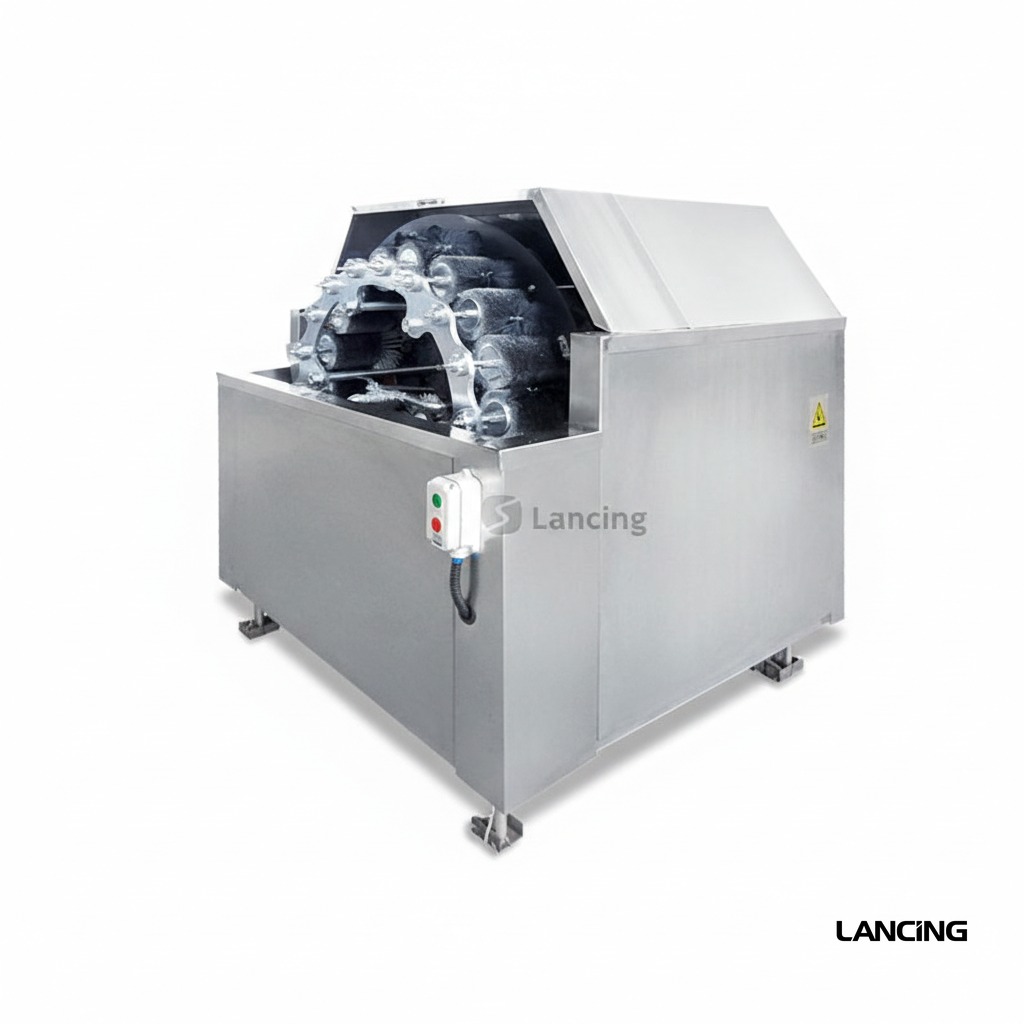
Label-removal support for bottle recovery and returnable-bottle preparation before washing or rework.
View machineThe most useful comparison starts with the bottle and cleaning task. A bottle rinser for clean bottles before filling is a different decision from a returnable-bottle washer, a label-removal process or a washing-and-drying route where moisture carry-over is a production risk.
Review bottle dimensions, contamination level, water and air supply, drainage, operator access, changeover frequency, conveyor height, accumulation and the next machine in the line.
The range covers inline washing, rotary semi-automatic washing, wash-and-dry handling and label removal. For searchers comparing machines, the useful decision is which route matches the bottle condition and the proof required after washing.
| Machine route | Best checked against | Useful proof before order |
|---|---|---|
| LU-WB12 automatic bottle washer | Inline output, nozzle access, conveyor integration and 12-nozzle washing requirement | Bottle dimensions, neck access, target hourly output and service requirements |
| LU-WB32 rotary semi-automatic washer | Glass-bottle handling, operator loading, rotary head suitability and flexible format use | Sample bottles, body diameter range, height range and returnable-bottle condition |
| Wash-and-dry machine | Whether residual water after washing affects filling, coding or labelling | Drying result on real bottles and compressed-air/site-service confirmation |
| LU-BLR18 label remover | Label material, adhesive type, bottle diameter and label-removal sequence | Before-and-after label-removal trial notes and bottle damage check |
Do not rely on a catalogue output alone. A useful quotation records bottle dimensions, residue, label state, required cleaning outcome, output target and utilities.
Drainage, water supply and any water-reuse objective should be discussed before layout approval. If figures are not verified for the selected configuration, the proposal should state that clearly.
Where bottles are new and need only loose-particle removal before filling, a rinser may be the better process. This site keeps heavy washing and reuse intent separate from rinser-only projects.
Compare the required output, labour input, bottle format range, changeover frequency, water and drainage services, access for cleaning, upstream loading method and whether downstream filling, capping or labelling is already fixed.
Only details supplied on first-party product pages or in supplied project files should be treated as verified. Where water use, energy use, bottle range, drying result or changeover time is unknown, it should be confirmed at specification stage.
For returned bottles, washing may not be enough if paper, film labels or adhesive remain attached. Label-removal or de-labelling can be a separate preparation stage before final washing or rework.
Send bottle photos, bottle dimensions, neck opening, material, residue or contamination details, label type, target output, utilities, footprint and where the machine will sit in the line.
Output is only useful after the bottle condition and acceptance criteria are understood. Use the table below to decide which route needs a trial, a utility review or a label-removal check before Lancing confirms the specification.
| Machine route | Best evidence to collect | Related technical guide |
|---|---|---|
| Inline automatic washer | Bottle dimensions, neck opening, nozzle access, conveyor stability and sample residue | Chemistry and residue testing |
| Rotary semi-automatic washer | Operator loading method, bottle stability, external finish and changeover frequency | Semi-automatic vs automatic |
| Wash-and-dry machine | Residual moisture tolerance, air supply, drying result and downstream fill/label/coding needs | Water, utilities and drainage |
| Label-removal route | Label material, adhesive, bottle diameter and the required bottle condition before rewash | Returnable bottles and labels |
A listed machine speed is only a starting point. A defensible selection also considers bottle presentation, contamination, required wash and rinse stages, drainage, drying, changeover and the ability to demonstrate the required result on representative bottles.
| Route | Best starting point | Key confirmation before quotation |
|---|---|---|
| LU-WB12 inline automatic washer | Conveyor-fed projects requiring automatic internal and external washing | Bottle stability, neck alignment, transfer pitch, wash duty and realistic line speed |
| LU-WB32 rotary washer | Flexible batch or semi-automatic workflows with operator involvement | Loading/unloading method, 32-head format suitability, bottle family and water handling |
| Automatic wash-and-dry | Processes where residual moisture could affect filling, inspection or labelling | Required dryness, air quality, bottle geometry, drainage and downstream time window |
| LU-BLR18 label remover | Returnable or rework bottles requiring label removal before washing | Label stock, adhesive, bottle damage risk, residue after removal and downstream wash route |
Define the required stages and decision points before comparing equipment layouts.
Open the process-design guideBuild a sample and evidence plan around the bottles that represent normal and difficult production.
Prepare the FAT protocolReview conveyors, accumulation, controls, utilities and the interface to filling or labelling.
Review integration requirementsMachine format, handling method and listed output only become meaningful when they are tested against the bottle population, operator cycle, changeovers and the surrounding line.
Listed output is a reference for a defined machine or route; sustainable line output is the rate the complete process can maintain with real bottles, operators, changeovers, rejects, accumulation and downstream equipment. The two values should not be treated as identical without a representative trial or agreed operating assumptions.
Sustainable output can be reduced by unstable bottles, manual loading, nozzle alignment checks, drainage time, label waste, inspection, frequent format changes and filler stoppages. The acceptance test should state whether the target is an instantaneous rate, an average over a timed run or a shift-level requirement.
A rotary semi-automatic washer can make more sense where output is moderate, operator loading is acceptable, floor space is constrained and several bottle formats need flexible handling. An inline automatic washer is generally the stronger route when continuous conveyor integration, lower direct handling and coordinated line control are central requirements.
The decision should compare labour, format changes, bottle stability, accumulation and the required proof of output rather than assuming that “automatic” is always better. A semi-automatic route may be commercially sensible but still needs a realistic operator cycle and safe access plan.
Bottle inversion and neck opening affect whether wash media can reach the internal surfaces and drain predictably. A narrow or offset opening can make nozzle alignment more critical, while unstable or shaped bottles may need different guides, holders, pockets or transfer methods to remain controlled during inversion and return.
The sample trial should check entry over the nozzle, internal coverage, bottle retention, drainage, impact at transfers and any trapped liquid in shoulders or bases. Bottle geometry therefore influences both cleaning result and mechanical handling.
Format changeovers should be compared by the real tasks, tools, access and verification needed to move from one bottle family to another. A machine with a high nominal output may be less productive if guides, holders, nozzles or settings require lengthy adjustment several times per shift.
Record the largest and smallest format, frequency of change, parts that must be exchanged, cleaning needed between products, reference settings and first-off checks. The quotation should distinguish included change parts from items to be confirmed after sample trials.
Review bottle washer change parts · Plan access and spare parts
Provide the bottle family, contamination duty, handling preference, target line rate, changeover frequency and available services for a project-specific comparison.
Send bottle-washing project detailsAutomatic washing, rotary semi-automatic washing, wash-and-dry and label removal solve different preparation problems. The right route depends on the bottle history and the evidence needed before filling or rework.
| Buyer question | Best first route to review | Evidence to send |
|---|---|---|
| New bottles need a production-line clean before filling | Automatic bottle washer | Bottle drawings, neck size, output target, water and line layout |
| Returned bottles arrive with labels, adhesive or unknown history | Label removal plus washing route | Worst-case labelled samples, adhesive type if known and reject limits |
| Shorter runs or compact production need flexible handling | Rotary semi-automatic washer | Format range, operator loading method and changeover frequency |
| Residual moisture would affect filling, coding or labelling | Wash-and-dry system | Required internal/external dryness, air services and downstream sensitivity |
Listed output is useful for screening, but achievable production depends on the real bottle, handling stability, changeovers, inspection requirements, infeed, outfeed and the surrounding line. Lancing should confirm output against representative bottles and the agreed process route.
Format parts become critical when the site wants one washer to handle several bottle families. Bottle necks, bases, shoulders, sidewalls and label positions can change how guides, pockets, clamps, nozzles and transfer points must be set.
Send bottle photos, dimensions, contamination details, target output, utilities and line-layout notes so Lancing can confirm the safest route before quotation.
Send project detailsMany early enquiries use the same terminology for different machines. The selection should be grounded in bottle condition, end result, utilities and line integration.
| Buyer phrase | Likely page to review first | Decision check |
|---|---|---|
| Industrial or automatic bottle washer | LU-WB12 automatic washer | Conveyor-fed production and repeatable bottle handling |
| Rotary or compact bottle washer | LU-WB32 rotary washer | Operator loading, footprint and format flexibility |
| Bottle wash and dry machine | Automatic wash-and-dry route | Residual moisture before filling, labelling or packing |
| Bottle label remover | LU-BLR18 label remover | Returned labels and adhesive before washing |
| Commercial glasswasher or domestic bottle washer | Glasswasher comparison | Whether the duty is back-of-house cleaning or industrial bottle preparation |