Skip to content
Bottle washing machinery specialists — UK supply, installation and support01494 623015 · sales@lancinguk.com
Semi-automatic bottle washing

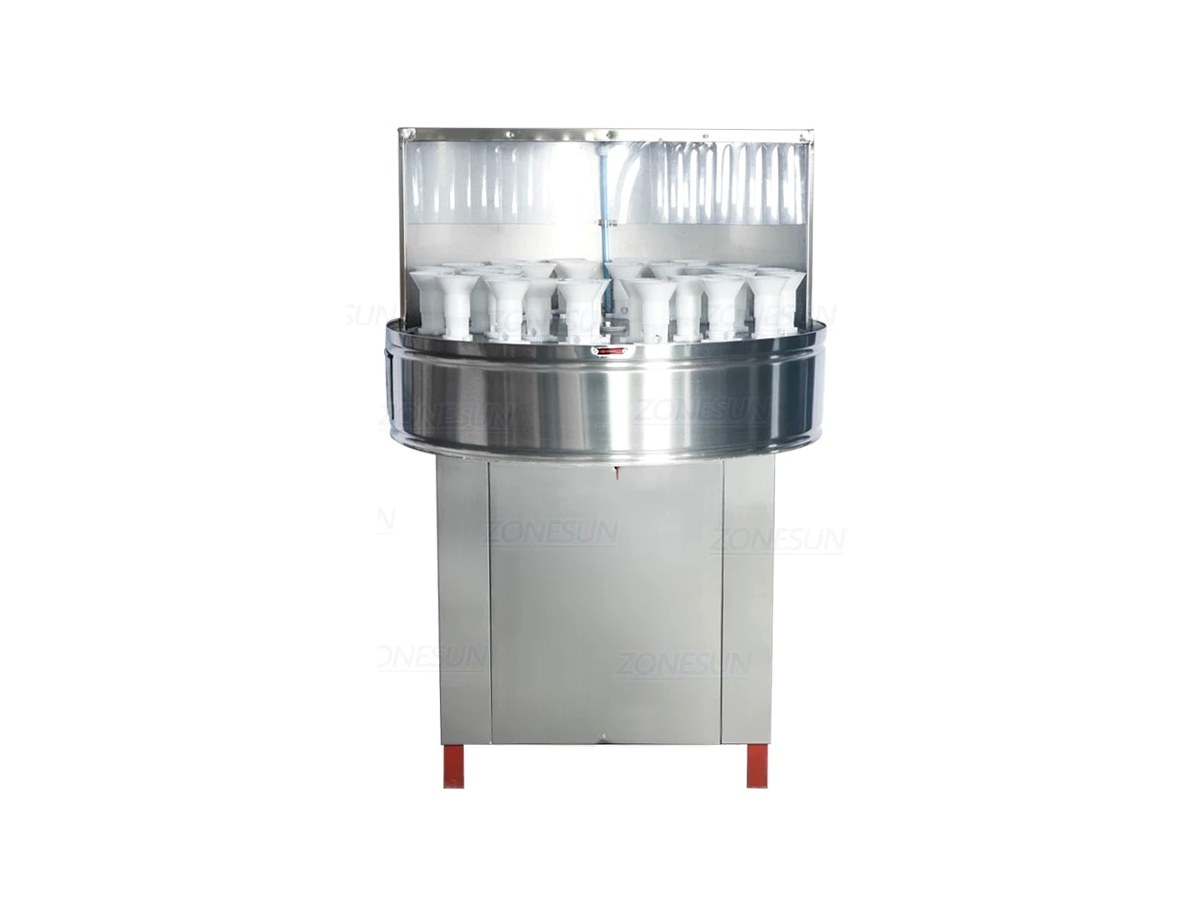
LU-WB32 Rotary Small Semi-Automatic Bottle Washing Machine

Semi-automatic rotary bottle washing machine for glass bottles, beverage bottles and flexible smaller production runs.

LU-WB32 Rotary Small Semi-Automatic Bottle Washing Machine
Final machine suitability must be confirmed against the real bottle, contamination level, required throughput, utilities and line layout.
Machine overview

Where this machine fits

A compact rotary bottle washing route for smaller or more flexible production environments. It is especially relevant where bottle sizes vary and a fully automatic inline washer is not the right first step.

  • Rotary washing format for compact production areas
  • 32 bottle-head format listed by Lancing
  • Designed around glass bottles used in beverage and similar industries
  • Customisable to bottle diameter and height
  • Output route described up to 2,500 bottles per hour, subject to final configuration

Specification notes

Use the data below as an initial guide only. Bottle washing performance depends on container stability, neck opening, nozzle access, cleaning requirement, operator loading, conveyor flow and the condition of bottles entering the machine.

For a reliable proposal, send bottle drawings or samples with your target output and site constraints.

Machine modelLU-WB32
Machine typeRotary semi-automatic
Bottle heads32 listed
Typical useGlass beverage bottles
Format rangeCustomised to bottle diameter and height
UtilitiesConfirmed at quotation stage

Ask for a project-specific recommendation

Send bottle photos, dimensions, residue details and required bottles per hour. We’ll check which washing route is most suitable before quoting.

Send enquiry
Validation notes

LU-WB32 rotary washer validation notes

This additive specification section keeps the existing machine details in place and adds the practical checks normally needed before a bottle washer is confirmed for production.

Verified starting point

The first-party description states a rotary route for glass bottles with 32 bottle heads and output up to 2,500 bottles per hour, subject to configuration and real bottle suitability.

Final suitability still depends on the real bottle, residue, site utilities, changeover expectations and where the machine sits in the wider line.

Where this route fits

This machine is best considered for compact semi-automatic washing where operator loading, format flexibility and glass-bottle stability matter.

  • Confirm bottle height, diameter and neck opening
  • Agree internal, external, rinse, wash or dry-off requirement
  • Check product residue, label material and contamination level
  • Confirm upstream and downstream handling before layout sign-off
Specification areaWhat to confirmWhy it matters
Cleaning validationVisible residue, odour, label adhesive, internal droplets and outside finish after the testPrevents choosing a machine before the required clean outcome is defined
Wash chemistry and temperatureWhether water-only, detergent, caustic or heated-water review is requiredDifferent residues, bottle materials and adhesives behave differently
Water and drainageSupply, pressure, filtration, drainage capacity and any water-reuse objectiveThese affect performance, reliability and installation planning
Changeover and accessFormat changes, guides, nozzles, bottle carriers, operator access and cleaning accessPractical production time depends on more than headline output
Buyer FAQ

Specification questions for this machine.

What should be tested before ordering the LU-WB32 rotary small semi-automatic bottle washing machine?

Test real bottles rather than relying only on catalogue descriptions. Check bottle stability, neck access, residue removal, external finish, drainage, dry-off where relevant and line transfer behaviour.

Can water or energy consumption be published without a final configuration?

No. Water, energy and drainage requirements should only be published or quoted once the selected configuration, wash stages, output and site services are known.

What sample details should be sent to Lancing?

Send bottle photos, drawings or dimensions, material, neck opening, height, diameter, residue type, label condition, desired pass/fail outcome, target output and site-service information.

When might another bottle washing route be more suitable?

Another route may be better if the required output, labour level, bottle stability, drying need, label-removal problem or footprint does not match the selected machine route.

Useful supporting pages: cleaning validation, water and drainage planning, returnable bottle preparation and project enquiry.

Rotary route checks

LU-WB32 acceptance checks for semi-automatic bottle washing.

The LU-WB32 page is relevant where a compact rotary route is being considered for glass-bottle washing or external rinsing projects. Lancing's first-party description states 32 bottle heads and washing speed up to 2,500 bottles per hour, but buyer suitability should still be checked against the bottle diameter, height, operator loading, bottle stability and cleaning result.

Handling evidence

  • Bottle height and diameter range
  • Base stability and shape
  • Operator loading/unloading method
  • Expected changeover frequency

Cleaning evidence

  • Internal or external wash objective
  • Label, adhesive or visible residue condition
  • Acceptable result before filling or rework
  • Water and drainage availability

Use the validation guide for pass/fail criteria and the lifecycle and water-reuse guide where operator time, water use and changeover pattern are part of the business case.

LU-WB32 FAQ

Rotary washer checks.

Is the LU-WB32 always the right route for returned bottles?

No. Returned bottles may need sorting, label removal, residue testing or drying after washing. The rotary washer should be assessed as one possible route within that sequence.

Why does operator workflow matter?

Semi-automatic washing depends on loading, unloading, bottle handling and changeovers, so labour method can affect real throughput as much as the machine speed itself.

What should be sent for a rotary-washer review?

Send bottle dimensions, photos, sample condition, output target, available utilities and whether the wash is internal, external or part of a returnable-bottle process.

LU-WB32 operating study

Define the operator cycle as carefully as the rotary machine.

The LU-WB32 route is listed with 32 bottle heads and output up to 2,500 bottles per hour, depending on configuration. A realistic project review must include how bottles are loaded, retained, washed, drained and removed, because operator work and bottle presentation can determine the sustained result.

Study pointWhat to observe during a trialWhy it matters
Loading patternReach, bottle orientation, pace, missed positions and operator recoveryEstablishes whether the planned cycle is sustainable rather than a short demonstration peak
Bottle retentionFit at the neck/body, movement during rotation and contact marksProtects bottle stability and helps maintain repeatable wash presentation
Wash and drainCoverage, carry-over, internal drainage and visible residue after the cycleLinks the machine cycle to the required acceptance criteria
Unloading and transferHandling time, ergonomic reach and movement to inspection or fillingPrevents the downstream step becoming the real bottleneck

Format and changeover

Send the smallest, largest and least stable bottle proposed. Confirm whether one holding arrangement covers the whole family or whether dedicated change parts are required. Record changeover steps and inspection points rather than relying on a generic “multi-format” description.

Water and drainage

The first-party listing gives reference water use of approximately 1 m³/hour; confirm the quoted configuration, operating pattern, water quality and drainage route for the actual project. See the water-quality and trade-effluent guide.

View the corresponding first-party Lancing machine information or arrange a bottle and workflow review.

LU-WB32 buyer questions

Questions that define the real semi-automatic rotary cycle.

The LU-WB32 route combines rotary washing with operator activity. Its practical performance depends on the bottle holder, loading pattern, drainage and safe working method as much as the rotary mechanism.

How should operator loading be measured during an LU-WB32 trial?

Operator loading should be measured as a complete repeatable cycle that includes picking, orienting, loading, unloading, inspecting and moving bottles without unsafe shortcuts. The trial should use the actual bottle weight, surface condition and working height expected at the site.

Record the sustained cycle over a meaningful run, not only the fastest few loads. Include interruptions for rejected bottles, replenishment and minor adjustments, and confirm whether one operator can complete every task while maintaining the agreed wash result.

Model operator-limited capacity

Which bottle features affect holder or pocket suitability on a rotary washer?

Bottle body diameter, shoulder shape, neck geometry, base stability, height, weight and surface finish can all affect holder or pocket suitability on a rotary washer. A holder must restrain the bottle through loading, washing and drainage without marking, trapping or releasing it unexpectedly.

Test the smallest and largest intended formats plus any embossed, tapered or unusually heavy bottle. Confirm how change parts are identified and whether adjustment is repeatable after cleaning or maintenance.

Review format and change-part planning

How should rinse carryover be checked on a semi-automatic rotary washer?

Rinse carryover should be checked by observing liquid retained inside and outside the bottle at the end of the actual rotary cycle and after the planned drain interval. The acceptance condition must relate to the next operation, because a bottle acceptable for storage may not be acceptable for immediate filling or labelling.

Inspect shoulders, base features, threads and external recesses. Repeat the check after a format change and when filters, nozzles or water conditions are altered.

Define moisture acceptance

When is an LU-WB32 rotary wash route insufficient for a returned-bottle project?

An LU-WB32 rotary wash route may be insufficient when the project needs integrated label removal, multiple controlled wash and rinse stages, automatic inspection, continuous high-output line handling or a defined drying stage beyond the proposed rotary cycle. The returned-bottle sequence must be considered as a whole.

This does not make the rotary machine unsuitable in general; it means the machine should not be expected to perform stages that are outside the confirmed configuration. Compare the complete wash-and-dry or de-labelling route where those duties are essential.

Map the complete returnable-bottle process · Compare wash-and-dry machinery

Define the LU-WB32 operator and bottle cycle.

Send bottle samples, expected format changes, target output, operator arrangement, residue duty and site utilities so the rotary route can be checked realistically.

Send bottle-washing project details