Beverage bottle washing
See the beverage and drinks application page.
Read moreBrewery and craft-drinks projects often need practical glass bottle rinsing, rotary washing or inline washing routes that fit limited space and changing production volumes.
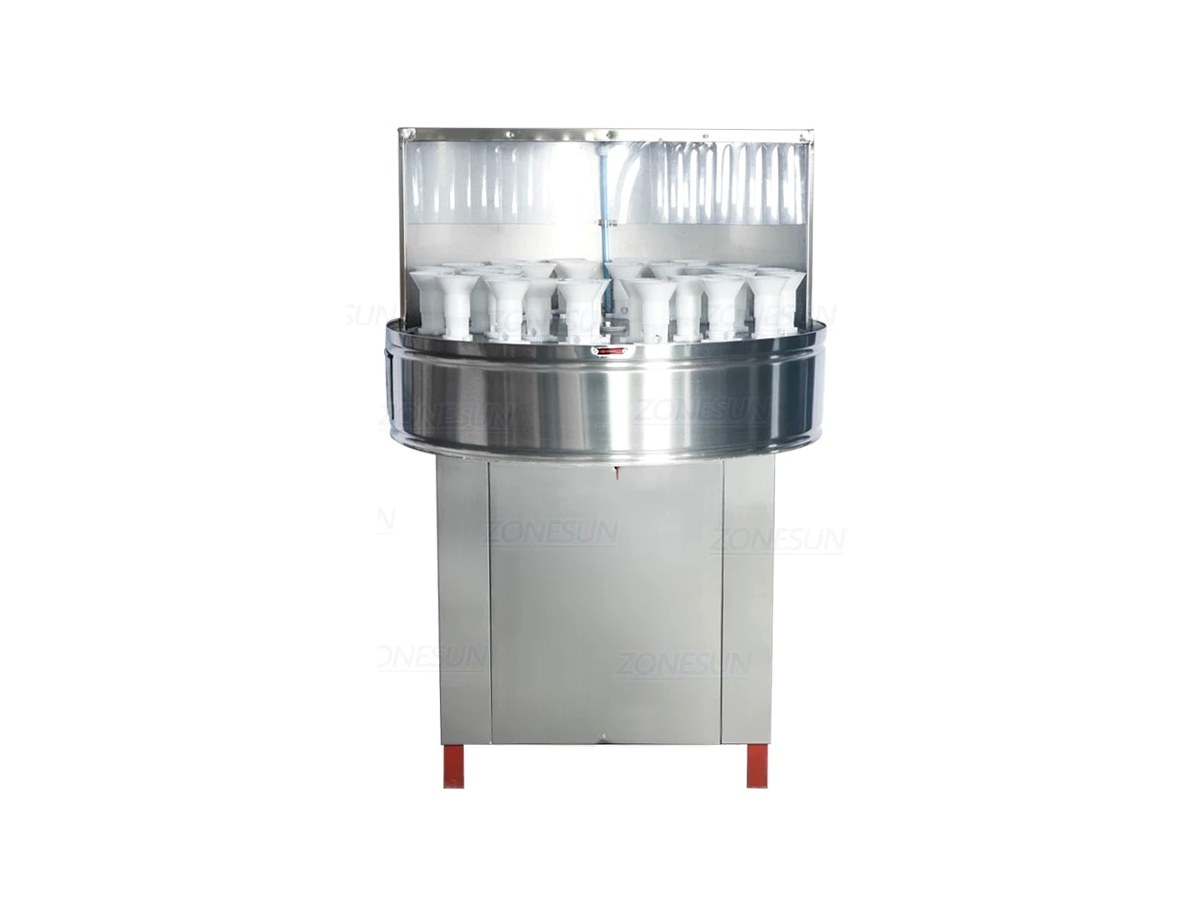
Bottle washers for breweries should be reviewed around bottle size, glass stability, rinse or wash standard, output, labelling plans and where the machine sits before filling.
New bottles may only need rinsing, while returned bottles can require label removal, washing, inspection and sometimes drying before reuse.
Use these related pages to compare machine options and prepare a stronger enquiry.
The best shortlist depends on the real container and production conditions, not only the search phrase used to find the machine.
Send project detailsNew clean bottles often need rinsing; returned or dirty bottles usually need washing and may need label removal first.
Often yes, but planned growth should be considered early so conveyors, utilities and footprint do not block future automation.
Send bottle dimensions, photos, contamination details and target output. We will help narrow the route before quotation.
Request a quoteFor refillable or recovered bottles, define receipt, sorting, damage rejection, label and adhesive removal, washing, rinsing, inspection, residual moisture and transfer to filling. The reusable wine and beer bottle washing guide provides a process map and trial checklist.
Brewery projects should define bottle sorting, label and adhesive variation, residue, damage rejection, washing acceptance and the interface to filling and crowning.
Plan sorting, damage rejection, de-labelling, washing, drying and inspection as one controlled process.
Review the returnable-bottle processPrepare typical and worst-case bottles, test conditions and acceptance criteria before approving machinery.
Prepare the sample trialCraft beer and cider bottle-washing searches often start with manual washing or glasswasher comparisons before moving to a repeatable production route.
Define bottle age, previous contents, label condition, adhesive residue and rejection criteria before assuming bottles can be recovered.
Compare conforming bottles per filling session, not only machine movement. Include loading, draining, inspection, rewash and changeover time.
Use the small brewery and dairy route guide to compare manual, glasswasher, rotary and automatic options.