Automatic inline bottle washer
For conveyor-fed production lines where repeatable internal and external cleaning is required.
Read moreFor new bottling businesses buying first machinery.
Start-up bottlers need equipment that solves the current bottleneck without locking the line into the wrong format or output level.
Buying only on price, ignoring bottle samples, underestimating drying needs and forgetting utilities can all create problems later.
These are the details that separate a useful enquiry from a generic request for bottle washer for start-up bottlers.
Use these pages to compare automatic, semi-automatic and wash-dry options before sending samples or drawings.
For conveyor-fed production lines where repeatable internal and external cleaning is required.
Read moreFor compact, flexible production where operator involvement and changeover flexibility are useful.
Read moreFor projects where water removal after washing is important before filling, labelling or packing.
Read moreNot always. The right route depends on volumes, format stability and available budget.
Bottle details, output target and cleaning task are the essentials.
Some equipment can support growth, but the growth plan should be discussed early.
Send bottle photos, bottle dimensions, residue details, target output and whether the machine needs to connect to an existing filler, capper, labeller or conveyor.
Request a bottle washer quoteStartup projects should separate immediate output from the required cleaning repeatability, operator workload and realistic growth path. The model and comparison pages support that decision.
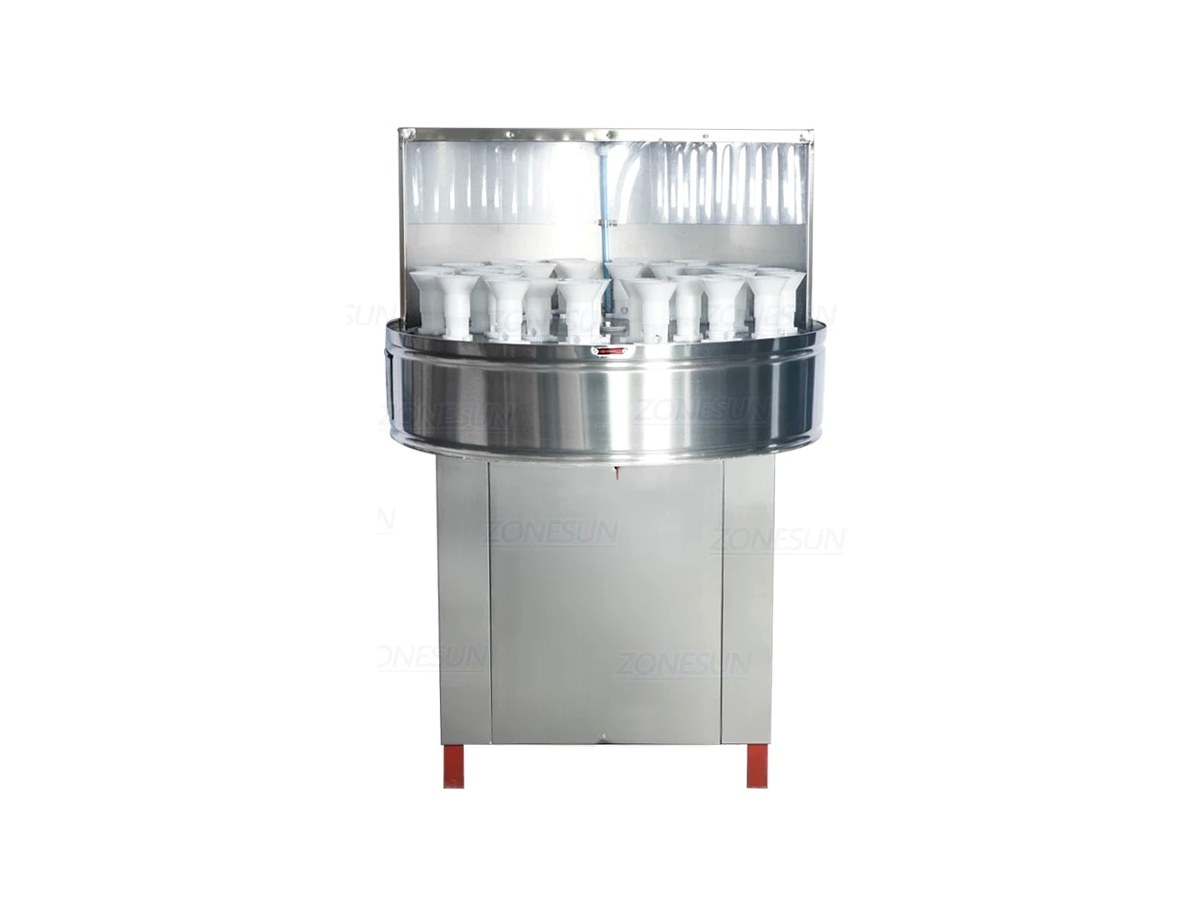
Review the LU-WB32 model page for the listed head count, output context and bottle-specific checks.
View the LU-WB32 rotary bottle washerCompare operator involvement, changeovers and line integration before choosing the automation level.
Compare semi-automatic and automatic routesFor a first washer, write out a normal batch from bottle receipt to the next production stage. Include preparation, loading, operation, checking, cleaning and changeover. Compare manual, semi-automatic and automatic proposals against that same sequence so operator work and site services remain visible.
Separate launch requirements from future ambitions. State the bottle and batch that must work now, then list planned formats and growth assumptions as options. Ask which parts of a proposal support those later changes and which would need new equipment or another assessment.
Compare the actual work needed for the launch batch and the documented growth scenario, using accepted output and operator involvement rather than machine speed alone.