Automatic inline bottle washer
For conveyor-fed production lines where repeatable internal and external cleaning is required.
Read moreFor bottles where neck opening is the main specification risk.
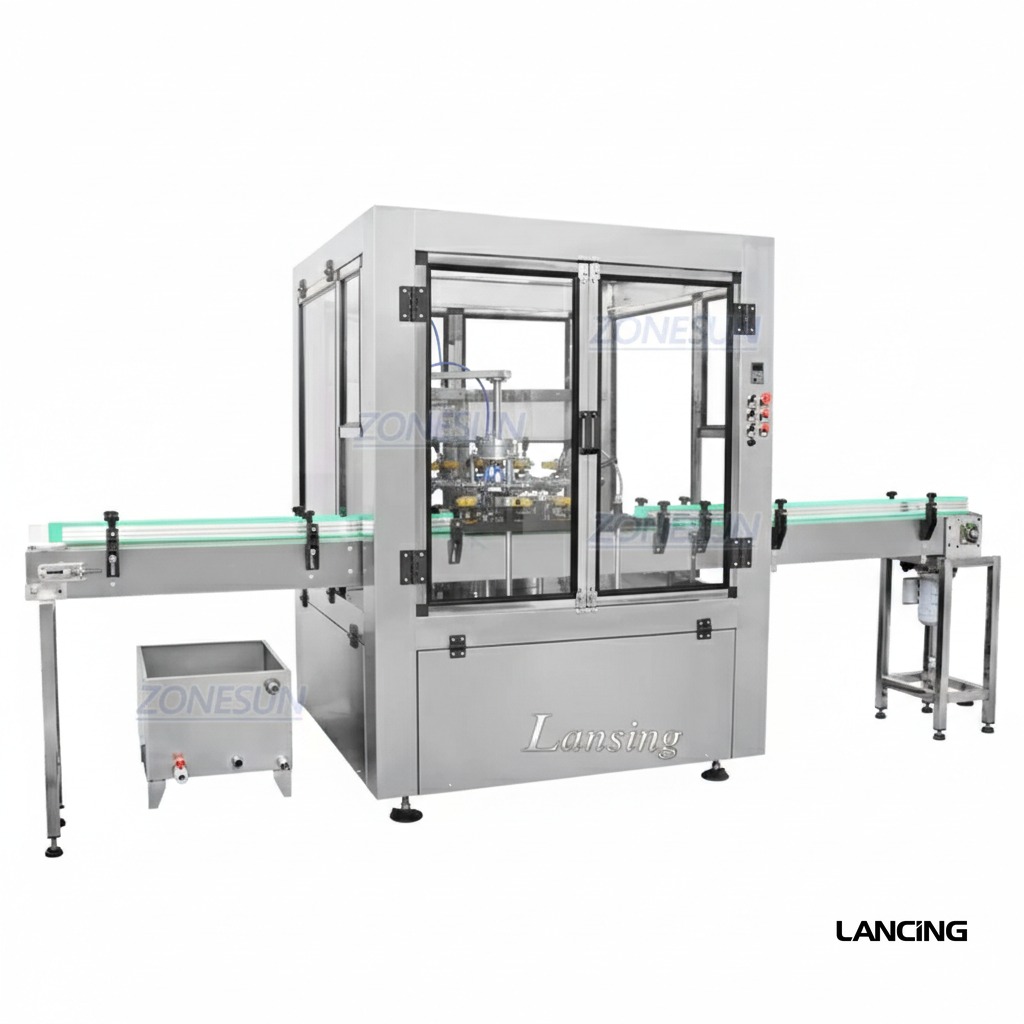
Narrow openings can limit nozzle access and spray coverage, so neck ID is a key quote detail.
The most useful starting point is a real bottle sample or drawing, the required cleaning task and the target production output for narrow neck bottle washer.
These are the details that separate a useful enquiry from a generic request for narrow neck bottle washer.
Use these pages to compare automatic, semi-automatic and wash-dry options before sending samples or drawings.
For conveyor-fed production lines where repeatable internal and external cleaning is required.
Read moreFor compact, flexible production where operator involvement and changeover flexibility are useful.
Read moreFor projects where water removal after washing is important before filling, labelling or packing.
Read moreSend bottle photos or drawings, dimensions, target output and a description of the cleaning task.
An initial discussion can start from photos, but samples are usually needed before final specification.
Compare automatic, semi-automatic and wash-dry routes based on output, bottle condition and line integration.
Send bottle photos, bottle dimensions, residue details, target output and whether the machine needs to connect to an existing filler, capper, labeller or conveyor.
Request a bottle washer quoteSupply a drawing or sample that shows the internal opening and shoulder transition, not only the nominal closure size. Explain the residue or contamination the process must address. The review should distinguish whether the concern is nozzle access, internal coverage, draining or all three.
Ask the trial report to identify the bottle position and the inspection method used to judge the outcome. Retain examples of both acceptable and unresolved results. Where a narrow opening makes observation difficult, agree the assessment approach before the demonstration so a clean-looking exterior is not mistaken for evidence about the interior.
No. Entry is only one consideration; the agreed internal cleaning outcome, draining and handling also need to be demonstrated with the bottle.