Automatic inline bottle washer
For conveyor-fed production lines where repeatable internal and external cleaning is required.
Read moreFor plants that need to rewash bottles after production issues or return handling.
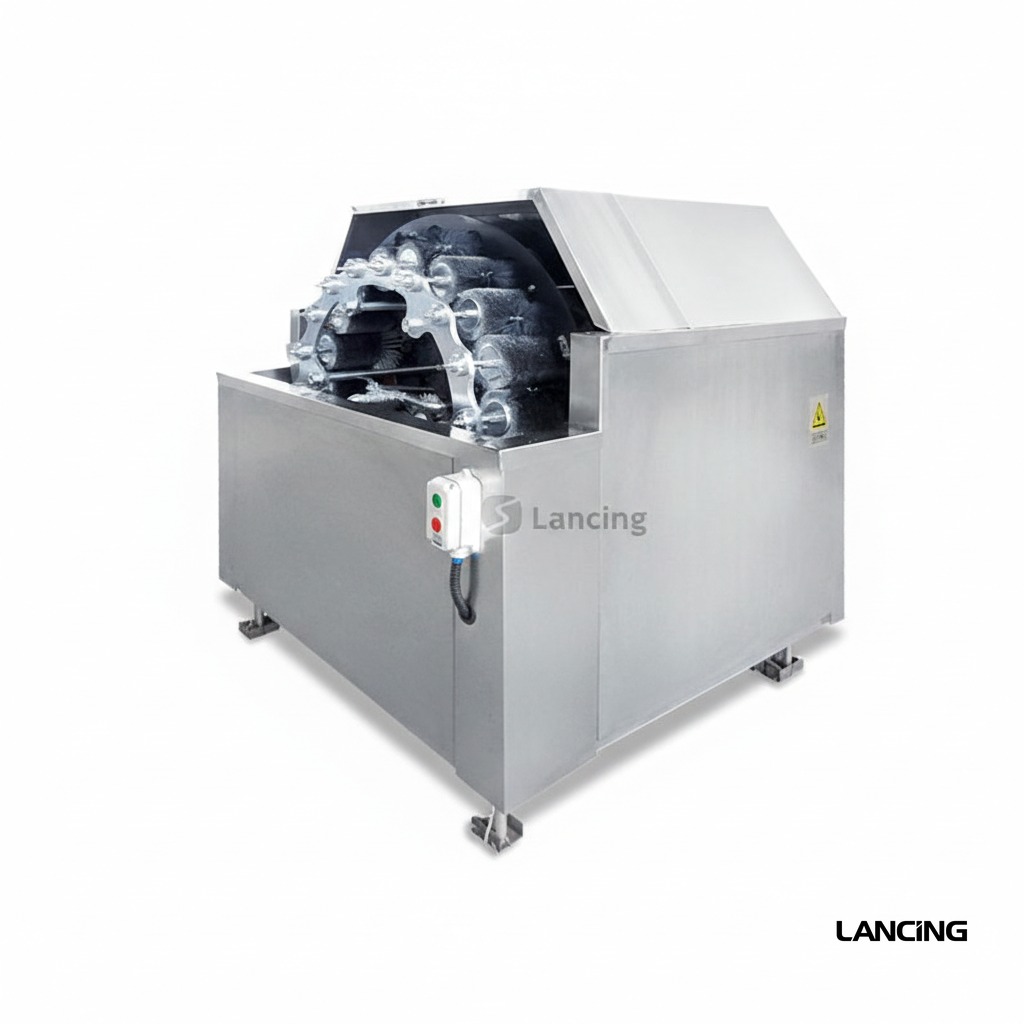
Rework washing may be needed after label faults, filling issues, storage problems, returned stock or rejected containers. The process is normally more variable than a new-bottle rinsing stage.
Rework processes may not need to match full production speed, but they must be safe, repeatable and matched to the real container stream.
These are the details that separate a useful enquiry from a generic request for bottle rework washing machines.
Use these pages to compare automatic, semi-automatic and wash-dry options before sending samples or drawings.
For conveyor-fed production lines where repeatable internal and external cleaning is required.
Read moreFor compact, flexible production where operator involvement and changeover flexibility are useful.
Read moreFor projects where water removal after washing is important before filling, labelling or packing.
Read moreYes, many rework processes are batch or semi-automatic rather than fully inline.
It depends on whether bottles are being refilled, relabelled, packed or inspected.
Label condition needs checking because labels may need removal before washing.
Send bottle photos, bottle dimensions, residue details, target output and whether the machine needs to connect to an existing filler, capper, labeller or conveyor.
Request a bottle washer quoteStart each rework stream with a reason code: label problem, filling issue, storage condition or another identified cause. Keep the streams separate until the required treatment is understood. This makes the proposed wash task clearer and avoids assuming that one rework method applies to every rejected container.
Define the destination of the treated bottle before selecting equipment. A bottle awaiting inspection, a bottle being relabelled and a bottle returning to filling can need different handling and dryness checks. Record who decides that the bottle is acceptable, what evidence is retained and how rejected items leave the rework area.
Base it on the expected rework volume, available operating window and loading method. The capacity requirement may differ from continuous main-line output.